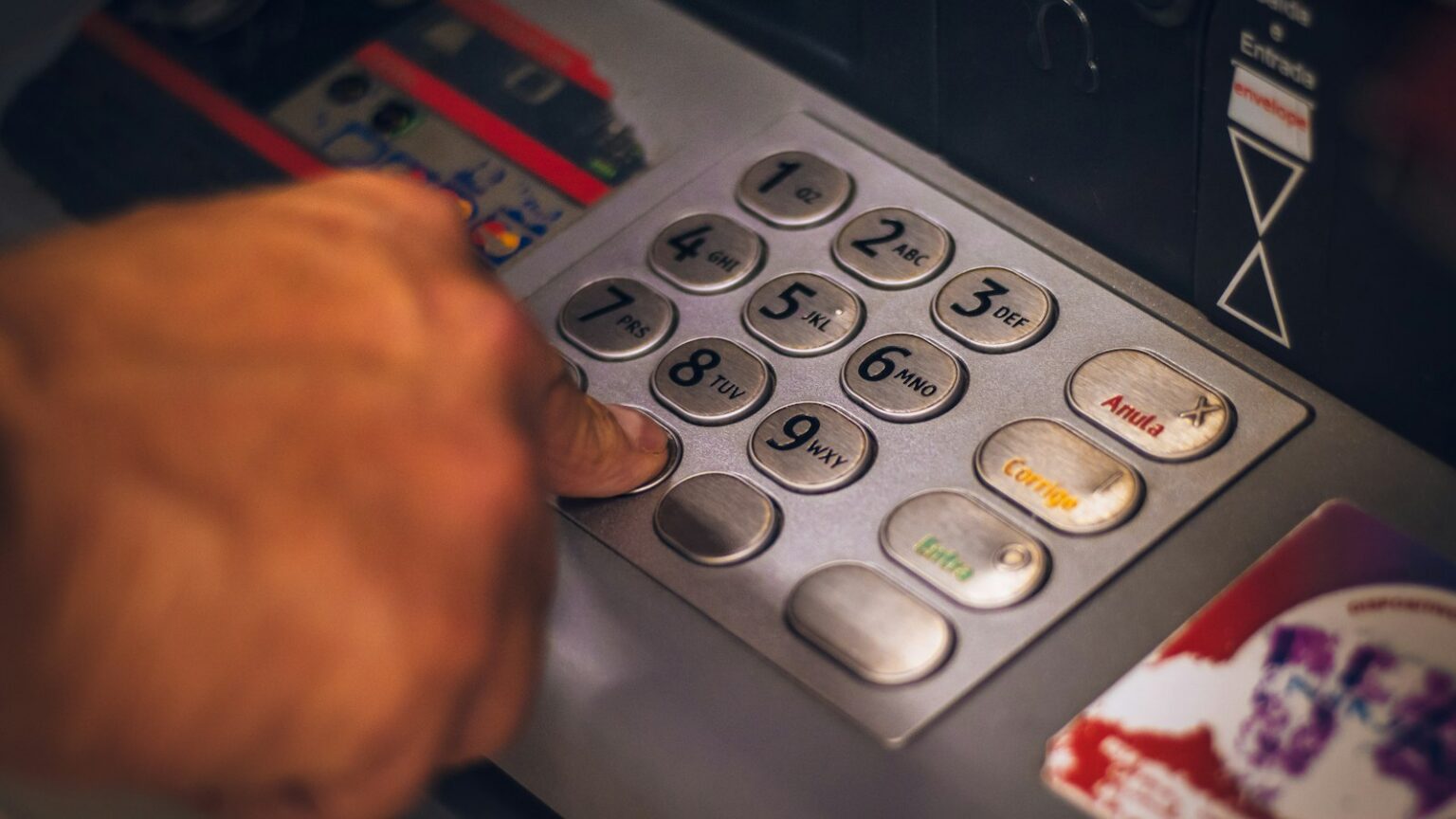
A woman from Ferrol, in north-west Spain, who fell victim to bank fraud will get almost 9,000 euros back. According to La Voz de Galicia, the Fifth Section of the Provincial Court of A Coruña has upheld a lower court ruling that ordered her bank to refund 8,874 euros, relying on a recent doctrine from the Court of Justice of the European Union (CJEU).
The EU doctrine. The CJEU ruling, dated 15 October 2026, establishes that banks cannot refuse to immediately refund the amount of an unauthorised payment by arguing that the customer may have been grossly negligent, as explained by the High Court of Justice of Galicia (Tribunal Superior de Xustiza).
What the judges said. The magistrates confirmed the conviction handed down by the Ferrol court of first instance against the bank, which is not named in the report. The ruling reasons that allowing the bank to oppose the refund on grounds of the customer's gross negligence would undermine the purpose of the European directive.
The bank cannot oppose the refund of the amount by alleging gross negligence on the part of the payer, as that would deprive the obligation of immediate refund of its effectiveness and would run counter to the aim of the European directive of guaranteeing a high level of consumer protection.
A case of deception. The court considers that the woman was the victim of a scam. The bank itself acknowledged that the transactions may have been carried out after third parties gained access to her card details. The ruling can still be appealed before Spain's Supreme Court through a cassation appeal.
Why it matters
A common defence weakened. Banks often argue that customers who were tricked into exposing their details acted with gross negligence, and use this to deny refunds. This case shows Spanish courts are already applying the CJEU doctrine, which says that argument cannot block the immediate refund of an unauthorised payment. Other victims of unauthorised card or account transactions in Spain may find it useful when claiming, although each case depends on its facts and this ruling is not yet final.
- If you spot payments you did not authorise, report them to your bank immediately and in writing.
- Keep records: dates, amounts, messages and any calls linked to the fraud.
- If the bank refuses citing negligence, note that EU case law now limits that argument for immediate refunds.
- Consider legal advice or a consumer association if your claim is rejected.
Source: La Voz de Galicia




Leave a Reply