
Some of the sessions inside customer accounts at America's largest banks are not run by the account holders. According to Axios, as cited by SecureWorld and Technology.org, major US banks are detecting unauthorised third-party AI agents operating in customer accounts, and some appear to act beyond what users asked, such as contacting call centres on their own. Banks are now restricting or blocking these agents, and at least one is rewriting its terms so the customer carries the risk.
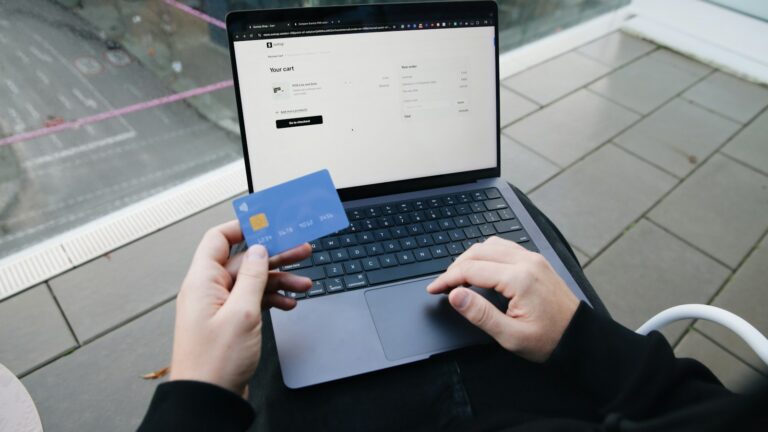
How agents get in. Technology.org explains that a customer gives an AI assistant a username and password, and the agent logs in through a browser like a person would. The bank sees a session that looks human. Most banks' terms require account holders to sign in themselves, so even an approved agent breaks the rules. SecureWorld notes that one executive told Axios the bank struggles to tell an agent a customer authorised from one that has gone rogue.
Banks close ranks. JPMorgan CEO Jamie Dimon raised the issue on the bank's 13 October earnings call, saying: "You don't want rogue agents." Sources differ on the details. SecureWorld says Dimon announced JPMorgan would block outside agents from logging in or acting on accounts, and that Citi will not let third-party agents log in or transact. Technology.org says Morgan Stanley is blocking agents while JPMorgan, Bank of America and Citi are restricting rather than banning them, moving towards read-only access.
Not everyone sees a fire. A Morgan Stanley spokesperson said the bank had not observed rogue AI agents accessing its platforms, and SecureWorld stresses that the Axios reporting relies on unnamed sources. Technology.org adds that no confirmed account losses tied to rogue banking agents have surfaced so far. A Chase spokesperson told customers not to share usernames and passwords with anyone, including AI agents.
Why it matters
The liability transfer. Dimon described agent access as a "liability transfer" for customers. According to SecureWorld, Wells Fargo's updated Online Access Agreement, effective 24 November, states that every transaction by a customer's delegates, including AI agents, counts as authorised by the customer, "including those you did not want or intend." It also says agent access may undermine agreed wire security procedures. Technology.org notes that when customers voluntarily hand over credentials, transfers are generally treated as authorised under US rules, so a refund after an agent's mistake is far from certain.
No standard yet. SecureWorld points out that the CFPB's Section 1033 open banking rule is enjoined and being rewritten, and there is no widely adopted way to grant an agent narrow, revocable authority to make payments. The restrictions also followed Meta's September launch of its Muse assistant, which revived fears that agents could move deposits automatically.
What you can do
- Do not give your banking username and password to any AI assistant.
- Read your bank's terms on delegated or agent access before using such tools.
- Prefer read-only connections offered by your bank for budgeting apps.
- Check your account regularly for transactions or calls you did not make.
Sources: SecureWorld, Technology.org, Moneylife

Leave a Reply