What it is
In a romance scam, a criminal builds an emotional relationship online — on dating apps, social media or games — and then uses that trust to get money, often repeatedly.
How it works
- A friendly or flattering first message, sometimes “sent to the wrong person”.
- Weeks of daily conversation, moved quickly to WhatsApp or Telegram.
- A reason they can never meet or video call: working abroad, military, on an oil rig.
- A sudden crisis or an investment opportunity that needs your money.
Red flags
- Declarations of love very early.
- Excuses for never turning on the camera.
- Requests for money, gift cards or crypto.
- Asking you to keep the relationship secret.
A real-world example
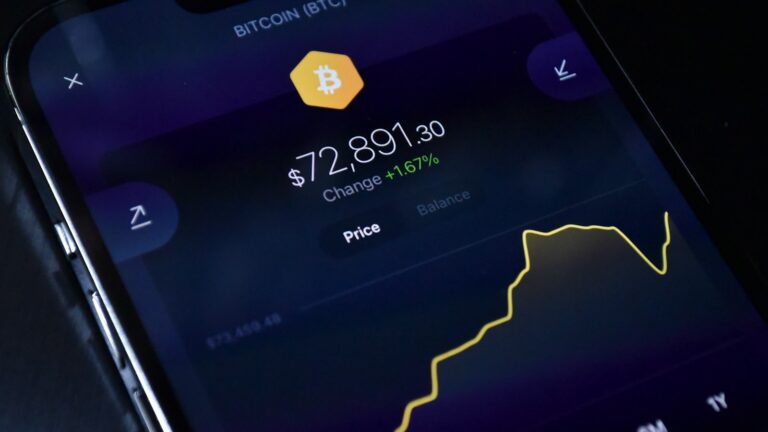
Many “pig butchering” investment scams begin as romance scams: the new partner introduces a trading platform that shows fake profits until the victim has invested everything.
How to protect yourself
- Reverse-image search profile photos.
- Never send money to someone you haven’t met in person.
- Talk to a friend or family member before sending any money.
- Be wary when someone steers the conversation toward investing.
If it happened to you
- Call your bank now using the number on your card. Speed is the biggest factor in getting money back.
- Stop all contact with the scammer and don’t send more money — including “fees” to recover losses.
- Keep evidence: screenshots, numbers, emails, transaction references.
- Report it to the police and your national fraud reporting service.
- You are not to blame — these are professional criminals. Support services can help.
Step-by-step help by country: I’ve been scammed — what now?
The rules
Romance scams paid by bank transfer can fall under APP reimbursement rules in the UK. Dating platforms face growing obligations under online safety and scam-prevention laws.
Source: consumer.ftc.gov