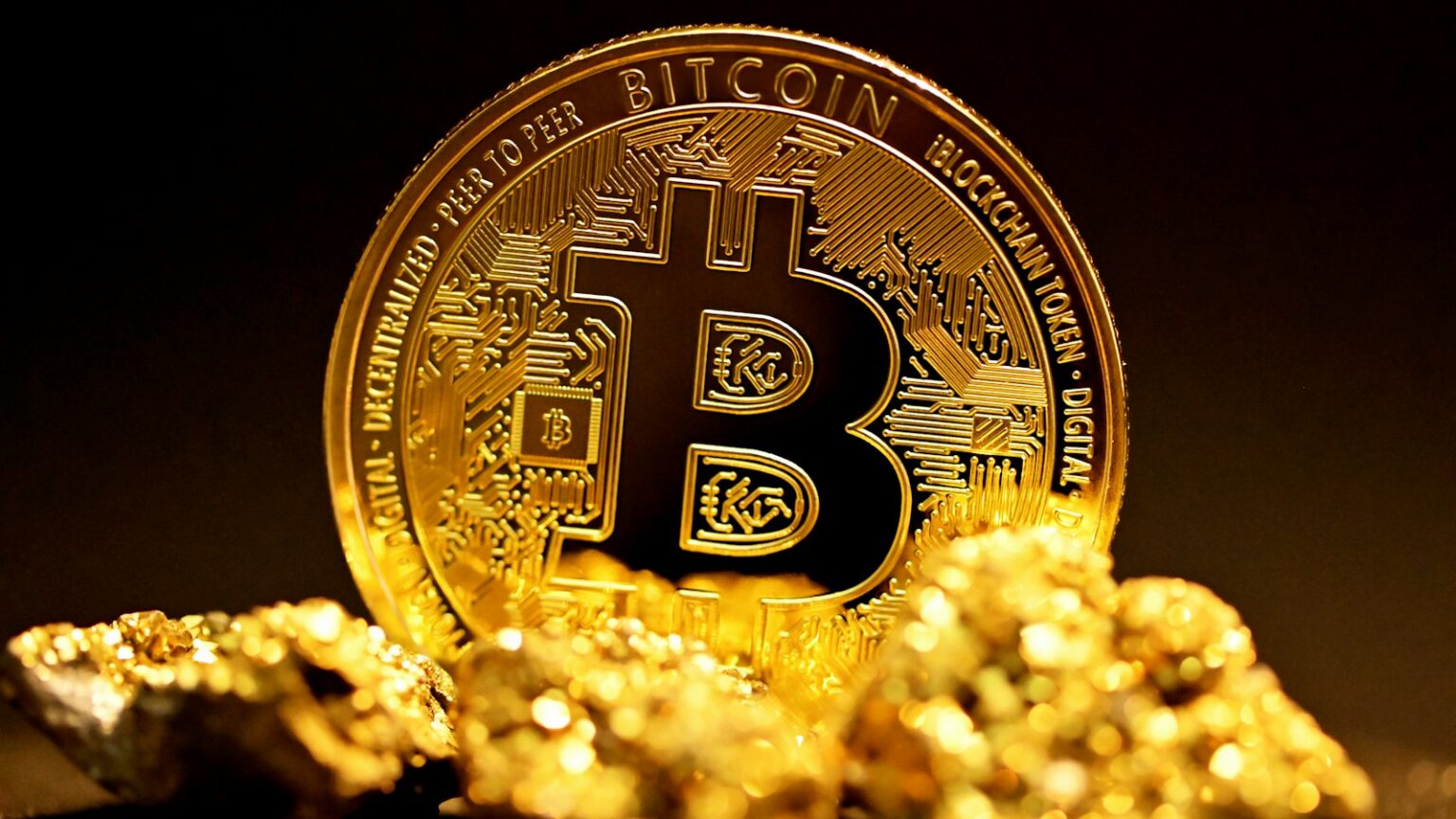
Binance, the world's largest cryptocurrency exchange, suspended deposits and withdrawals on Thursday after hackers took more than 6 billion dollars in crypto assets from its system in roughly 20 minutes, according to CNN. The theft is being described as record-breaking and has renewed concerns about how secure centralised crypto platforms really are.
Half was frozen. About half of the stolen funds were stablecoins, which the issuing companies quickly froze. The rest was made up of assets such as bitcoin and ether, which have no central authority and, according to industry experts cited by CNN, are very likely unrecoverable.
The real bill. Researchers estimate Binance's losses could exceed 3 billion dollars. That is a small fraction of the 155 billion dollars in user assets the platform manages, but far more than the 1 billion dollar emergency fund it had set aside for incidents like this. Binance pledged to cover the losses using that reserve and other assets, stressing that user funds are safe. Bitcoin and ether prices fell sharply after the exchange confirmed the attack.
Automated laundering. Researchers at Chainalysis said they had observed laundering patterns never seen before, noting that thousands of transactions in a short period suggest the attackers are using automation to hide the trail of the funds.
Polymarket hit too. Hours earlier, a smaller breach affected Polymarket, a crypto-based prediction market. It was its second incident since June and apparently unrelated to Binance. Around 700 users lost 2.7 million dollars through unauthorised withdrawals, according to analytics firm Bubblemaps. Polymarket also promised refunds.
Why it matters
Refunds are not security. Security experts warn that covering customer losses is not a sound long-term strategy. Centralised exchanges have become high-value targets partly because they operate outside the strict rules that apply to banks, and most US crypto investors use platforms without federal deposit insurance. Binance itself pleaded guilty in 2023 to breaking US anti-money laundering rules, a case that sent founder Changpeng Zhao to prison for four months; he was later pardoned by President Donald Trump but is legally barred from running the company.
I wouldn't confuse financial strength with operational security. — Ryan Kirkley, CEO of Global Settlement Network
- Avoid leaving holdings on the exchange where you trade; Keystone Research Group founder Iman Shafiei advises moving assets you intend to keep to a self-custody wallet.
- Remember that self-custody has its own risk: if you lose your password there is no customer service to help.
- Chainalysis estimated in 2021 that around 20% of all bitcoin created may be lost or stuck in inaccessible wallets.
- Remember that crypto exchanges lack the deposit insurance offered by traditional banks.
Source: CNN en Español




Leave a Reply